From Fable Website Demo to Niche Blog: Publishing AI-Built Sites That Keep Growing
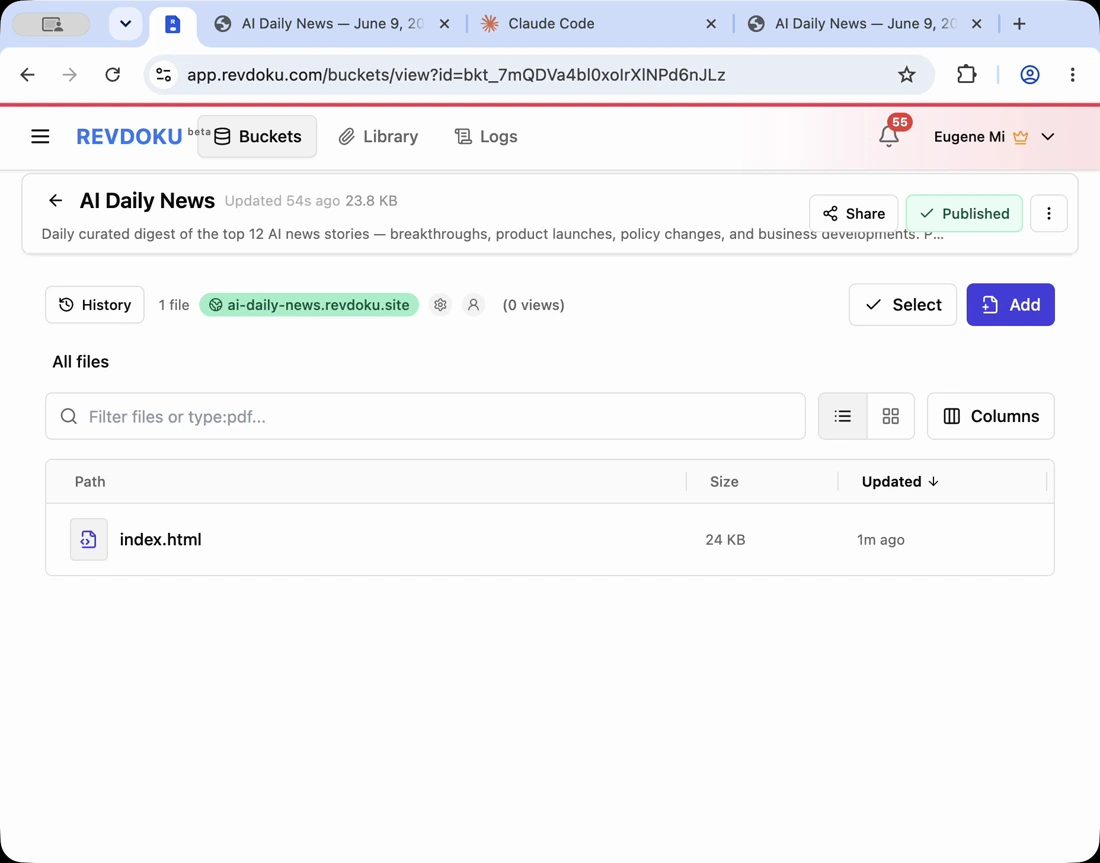
A Fable demo to blog workflow is thrilling, but publishing AI-generated blog content well means the niche site must keep growing. New posts, pages, assets, navigation, and a stable URL matter more than launch.
Revdoku works for niche blog hosting when a folder of web files should become a living site.
1. Preserve the AI-built site as a folder, not just a preview
Ask the agent to organize:
- index.html for the homepage,
- pages in predictable folders,
- images and media in asset folders,
- Markdown or HTML posts where appropriate,
- CSV or JSON data if the site is generated from structured content.
That makes future updates easier with Claude, Codex, ChatGPT, or scripts.
2. Publish the first AI-generated blog version
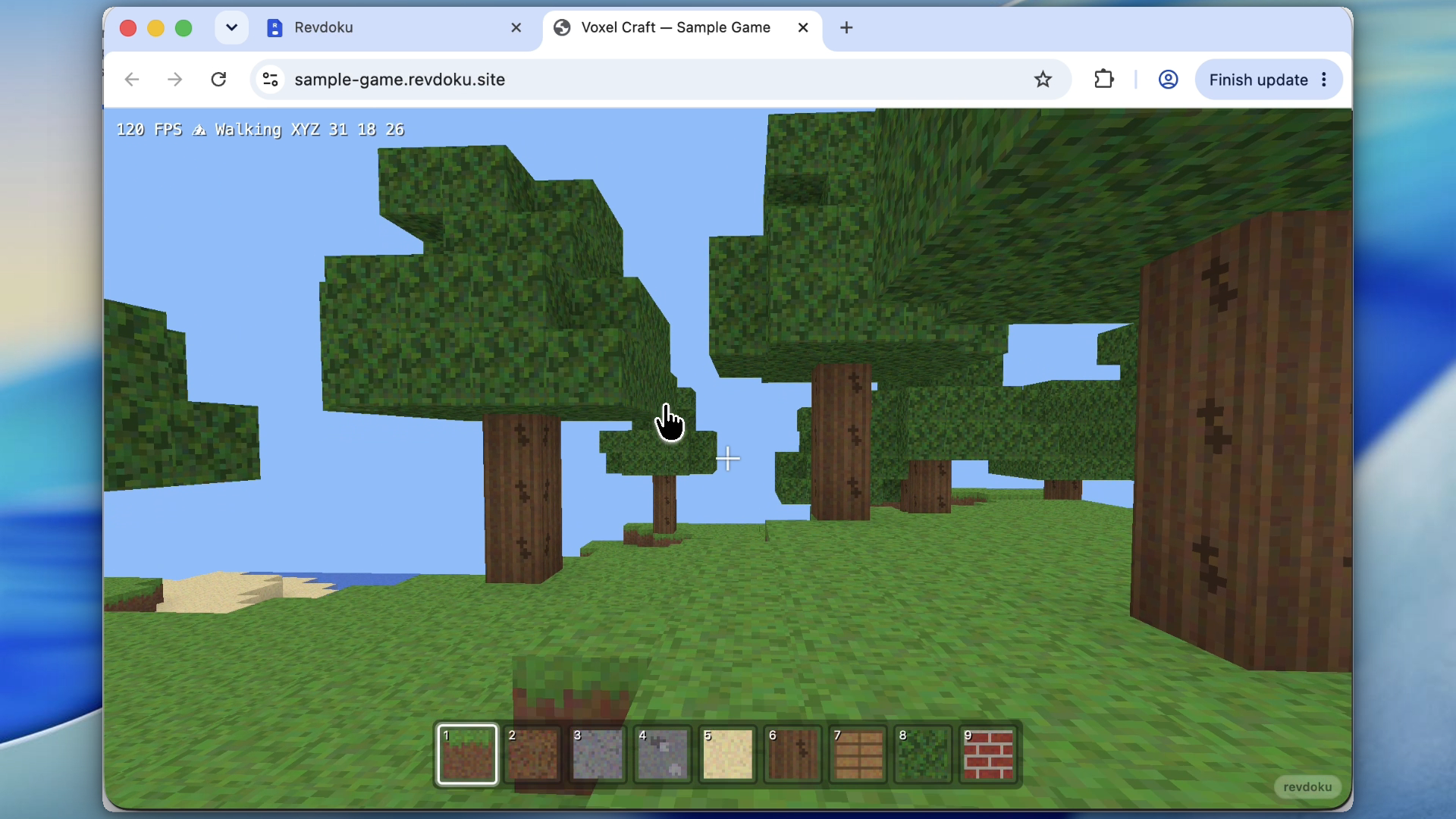
Upload or sync the folder to Revdoku and publish the pages as a website. Then open the live URL and check navigation, images, and paths.
If it is experimental, keep it password-protected during review.
3. Let the file structure help grow an AI-built site
For blogs, guides, explainers, and visual libraries, folder structure matters. Revdoku can expose a folder as a browsable site and render readable files directly.
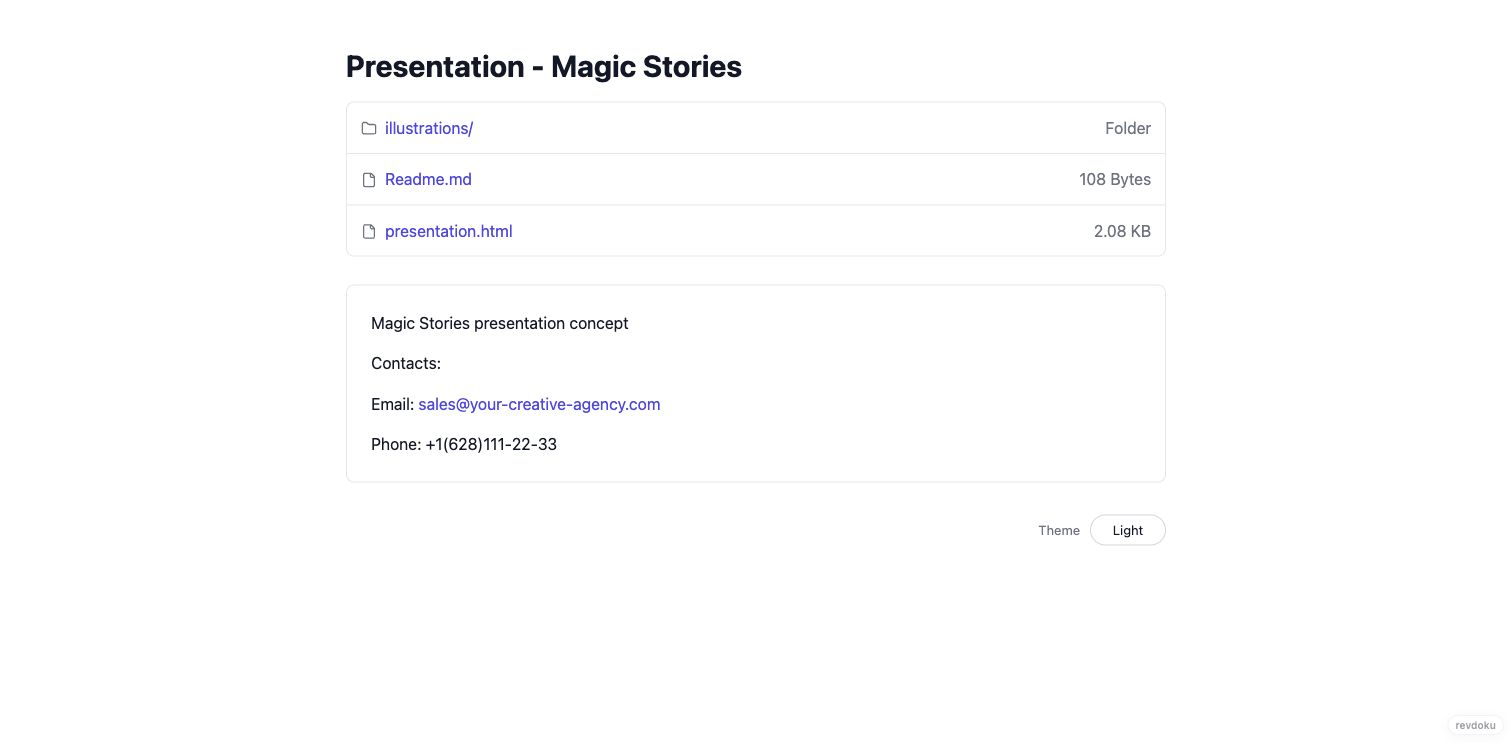
Note: a simple folder can become a useful public or protected niche blog without custom navigation.
4. Keep one durable Revdoku URL
When growing an AI-built site, update the same bucket. Do not scatter drafts across temporary links unless intentionally testing variants.
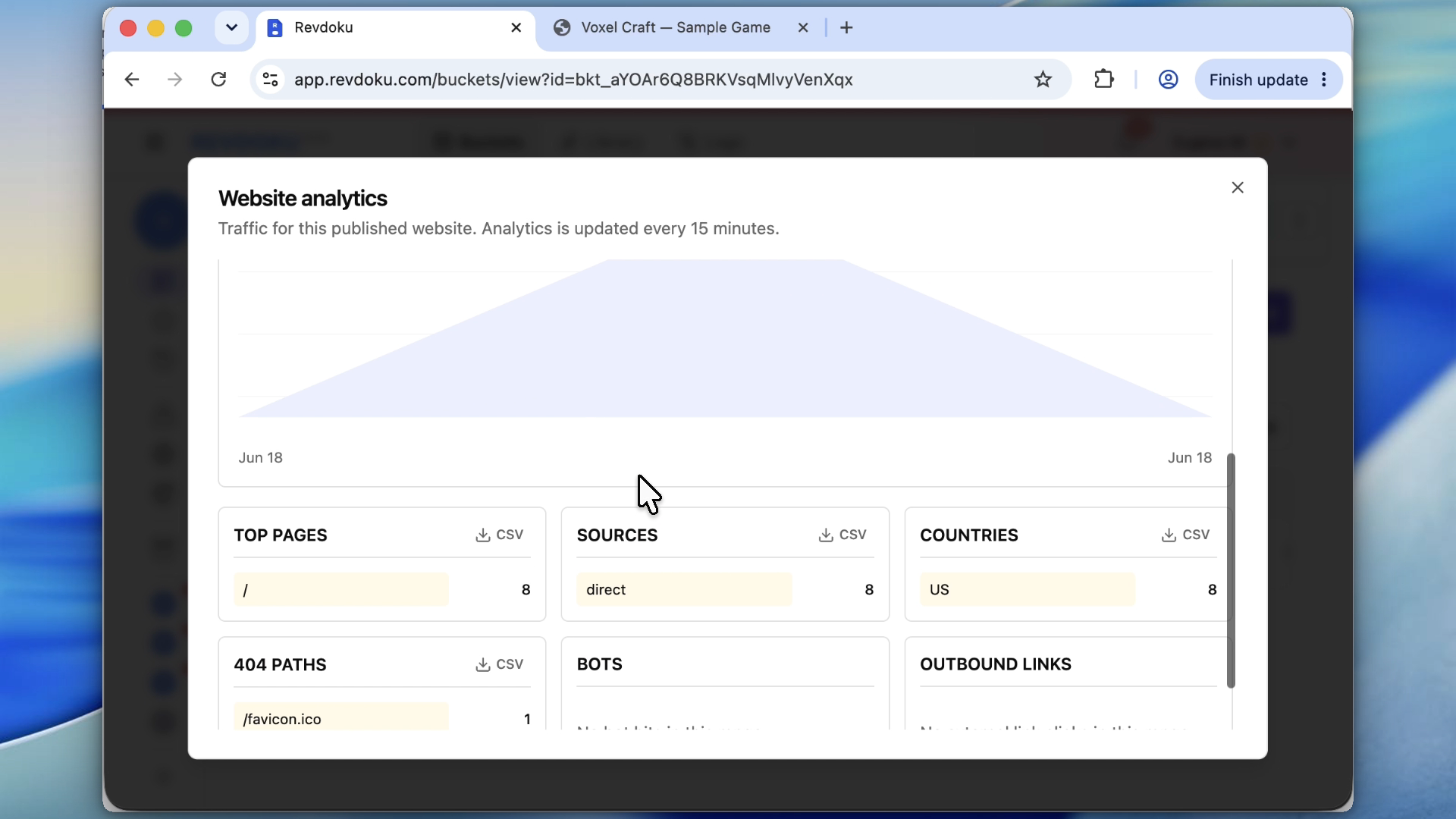
5. Watch what visitors open after publishing
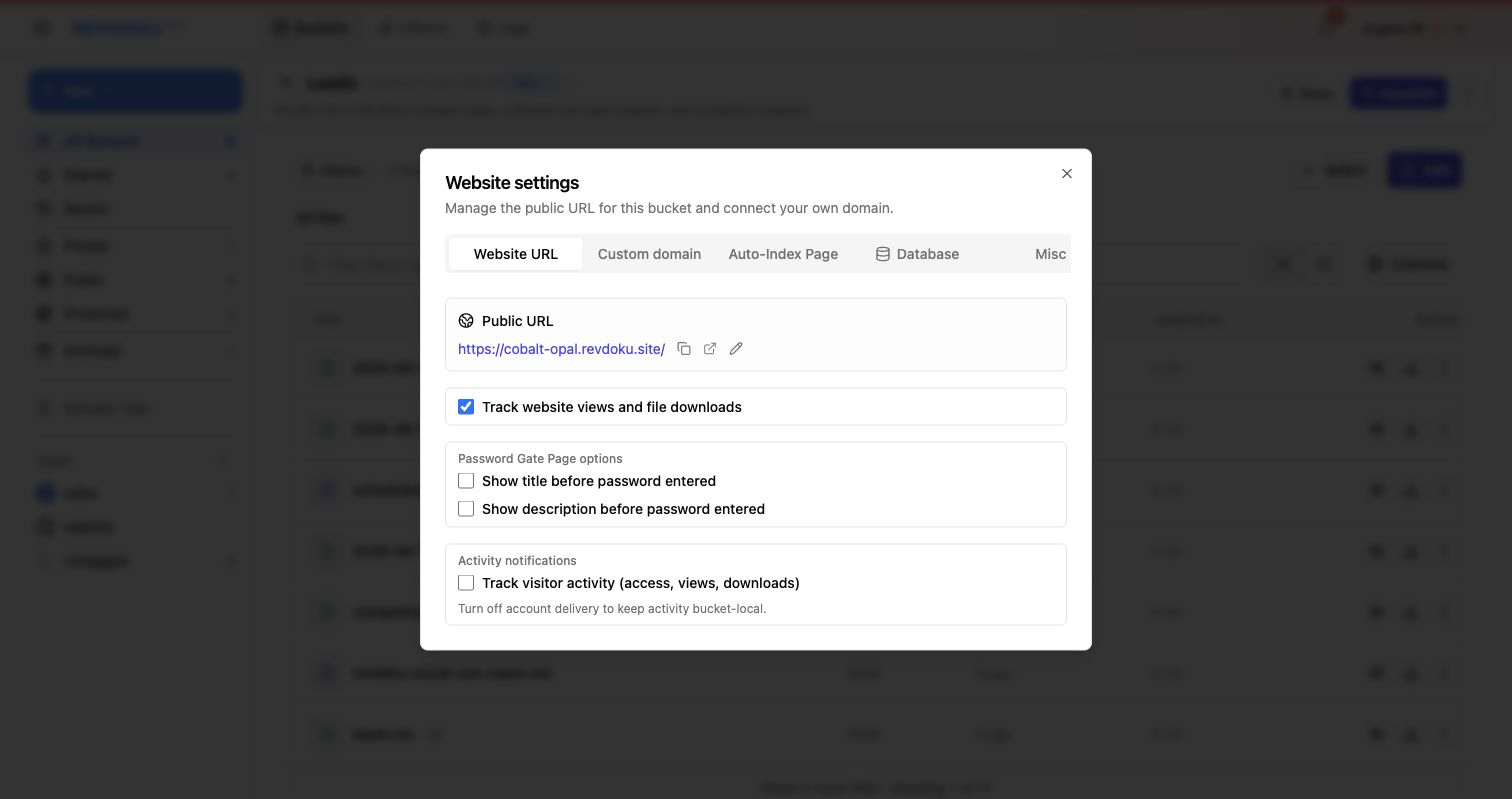
Analytics show whether people land on the homepage, browse pages, hit missing paths, or come from expected referrers.
Takeaway
AI can create a beautiful first site, from Fable demo to blog-ready project. Revdoku makes the site durable: files stay together, the URL stays stable, access stays controlled, and analytics show post-publishing behavior.
Frequently asked questions
What file structure should I ask an AI agent to create for a niche blog?
Ask for a clean folder with a homepage, separate page or post folders, organized assets, and any source data kept in CSV, JSON, Markdown, or HTML. A predictable structure makes the site easier to update later with AI tools, scripts, or manual edits.
Why is a folder-based site better than keeping only a generated preview?
A preview is useful for checking the design, but the folder is what lets the site keep growing. When the files are preserved, you can revise pages, add posts, replace images, and republish without rebuilding everything from scratch.
When should I password-protect an AI-generated blog?
Password protection is useful while reviewing an experimental site, checking links, or testing early content. Once the structure, images, navigation, and page paths are reliable, you can decide whether to make the site public.
Why should I keep one stable Revdoku URL?
A stable URL helps readers, search engines, collaborators, and analytics all point to the same place over time. Updating one bucket is usually better than spreading versions across temporary links unless you are deliberately testing alternatives.
What should I check immediately after publishing the first version?
Open the live site and test the homepage, internal links, images, asset paths, and any folder navigation. Also check whether protected access works as expected if the site is not ready to be public.
How can analytics help after the blog is published?
Analytics can show which pages people open, whether they start from the homepage, and whether they hit missing or broken paths. That information helps prioritize fixes, improve navigation, and decide what new content to add next.
Can I keep using AI tools after the site is live?
Yes. A well-organized Revdoku site can continue to be edited with Claude, Codex, ChatGPT, or local scripts as long as the files remain clear and consistent. The important part is to treat the AI-built site as an ongoing web project, not a one-time demo.